
The approach


A neuro-inclusive approach built for real salon life
Salon Spectrum isn’t about theory or ticking boxes.
It’s about understanding how people actually experience your space - and what to do about it.
Built from both clinical insight and lived experience (as an AuDHD stylist), this approach looks at the salon through a nervous-system lens, not just a technical one.
So instead of adding more to your plate, we focus on what’s already happening - and where small shifts can make a big difference.
This is where awareness becomes action…
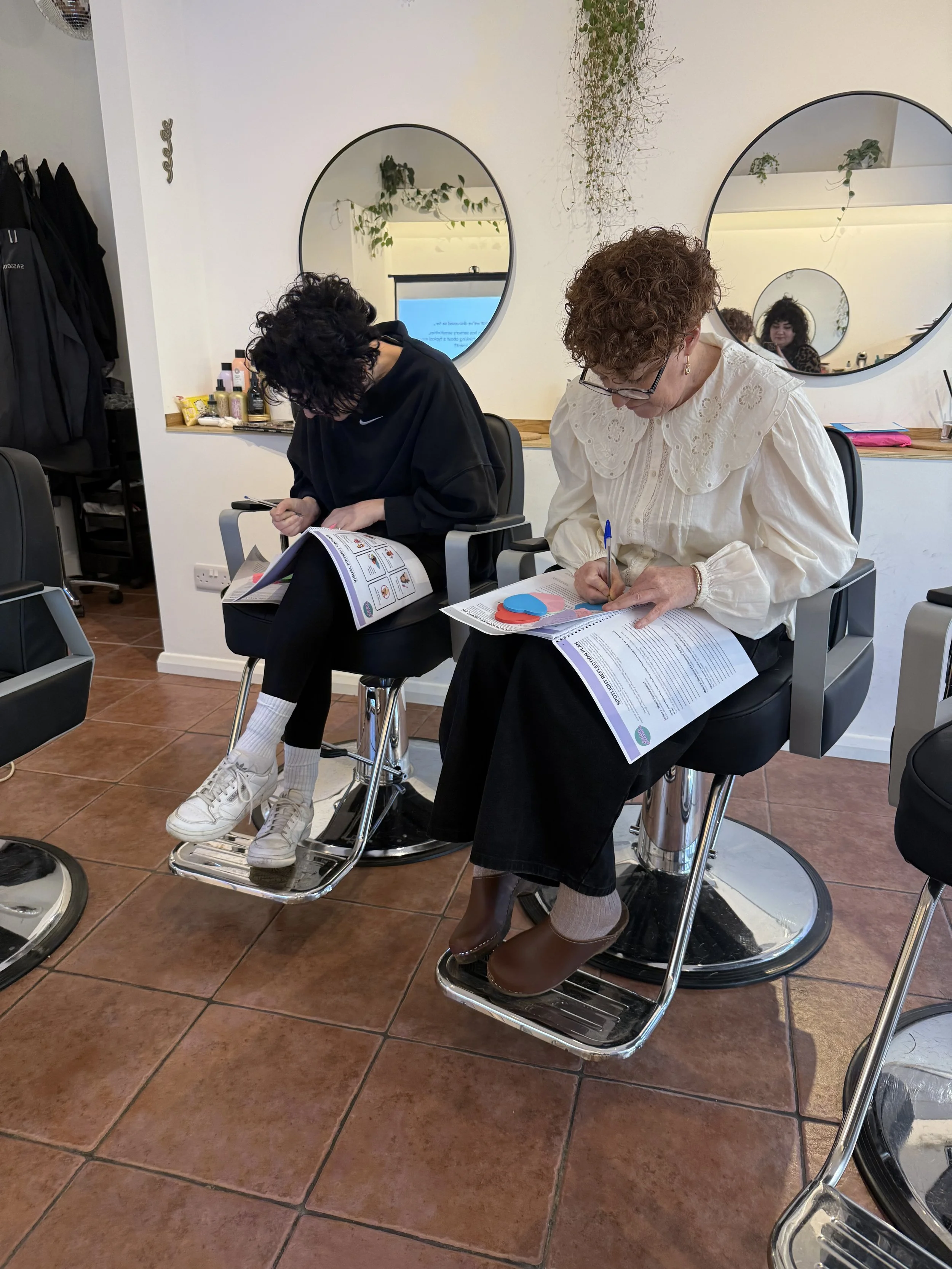
Through practical education and guided reflection, you’ll learn how to:
– Spot where clients may feel overwhelmed (before they say
anything)
– Adjust communication so it actually lands
– Reduce sensory load without changing everything
– Create calmer, more predictable appointments
So clients don’t just get a good result - they have a better experience.
And you don’t leave the day second-guessing every interaction.
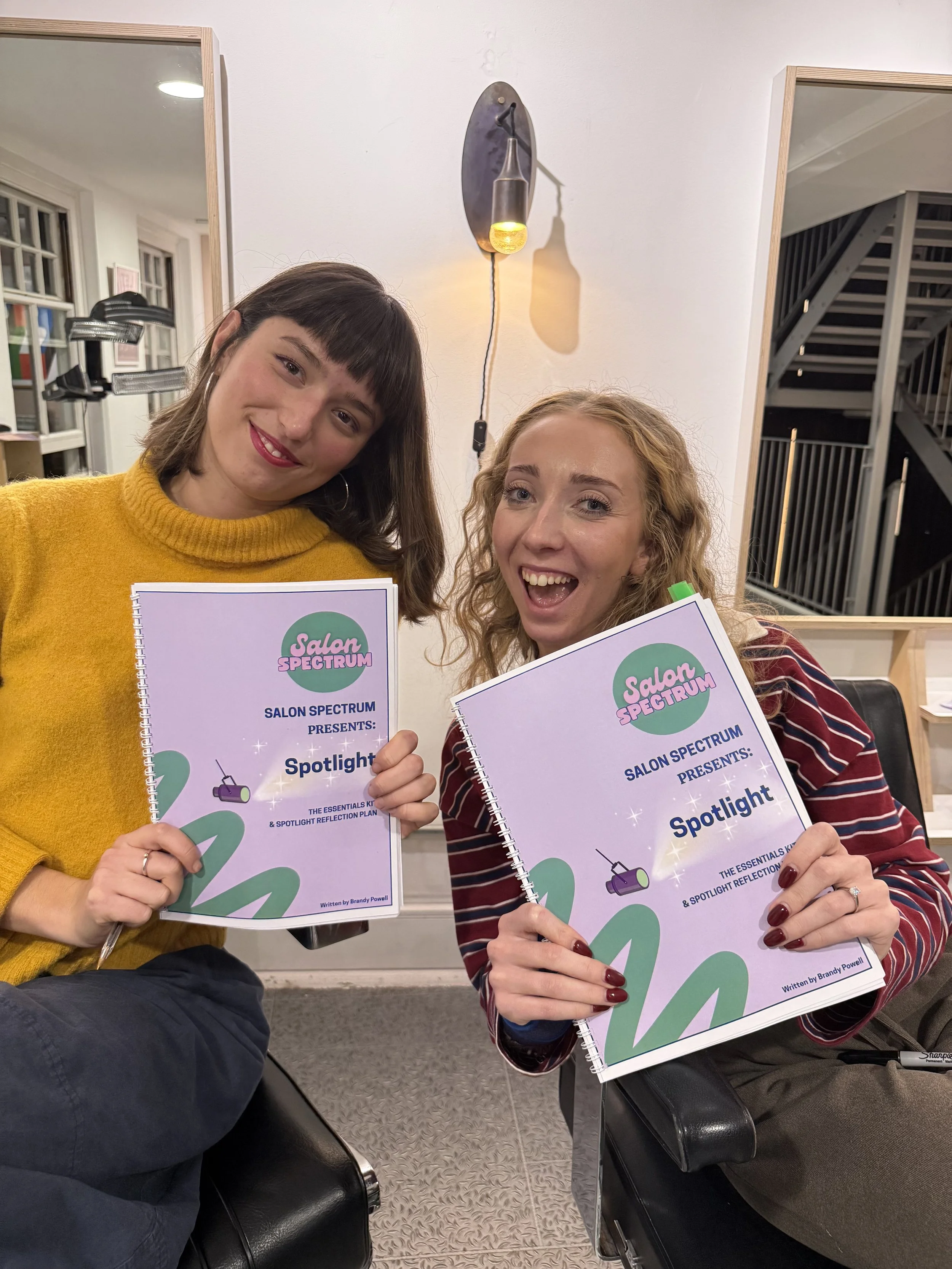
Each stylist leaves with their own Personalised Action Plan and Essentials Kit, so the changes actually stick, not just sound good in theory.
Most stylists already care.
They’ve just never been shown what to do differently.
The Mission
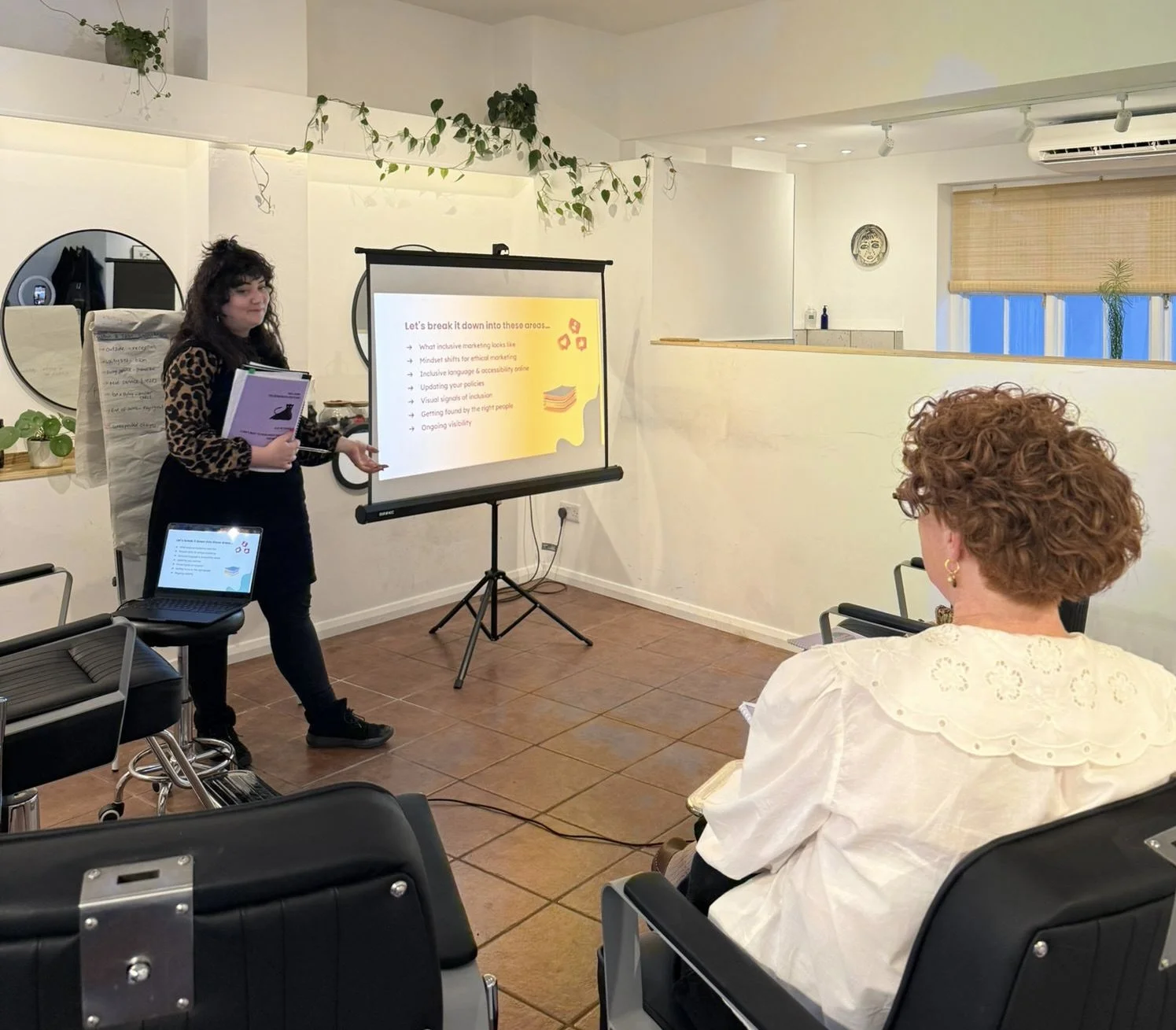
We teach stylists how to recognise neurodivergent needs in real salon settings and how to reduce sensory and emotional overwhelm, so clients feel comfortable enough to come back.
Here’s the reality:
1 in 5 people are neurodivergent - but most salons aren’t set up for neurodivergent nervous systems.
That means clients are quietly walking away, not because your work isn’t good… but because the experience doesn’t feel safe, calm or supportive for them.
Salon Spectrum gives stylists the confidence to create a salon experience where every client feels welcome and where your business thrives because of it.

What is Neurodiversity ?

1 in 5 people are neurodivergent, meaning their brains process the world differently.
Neurodiversity is an umbrella term, which includes Autism, ADHD, dyslexia, dyspraxia and OCD, among others.
Whilst there are huge strengths, there are often very real sensory and executive-function challenges, neurodivergent clients often struggle in typical environments.
When we understand their needs, we can create spaces that feel calmer, safer and genuinely inclusive.